|
"Big Sky, Wild Heart©"Lyrics by M. S. McKenzie | Performed by Songs Across America, Protected by Copyright
Hyperfollow Link
Hyperfollow Link
Hyperfollow Link
Hyperfollow Link
~ Associated State Links ~State of NE Home Page | State of NE Gallery Page
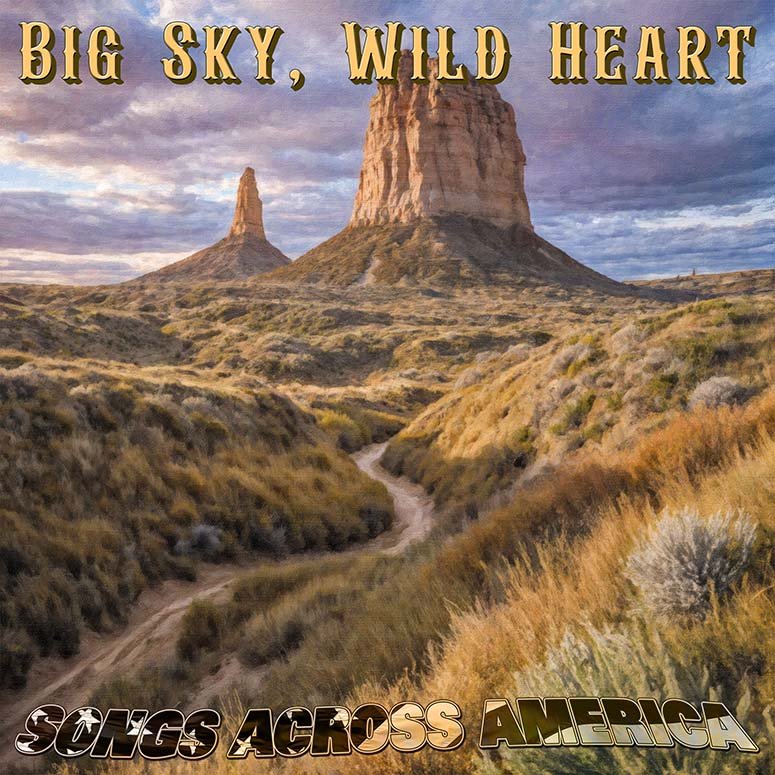
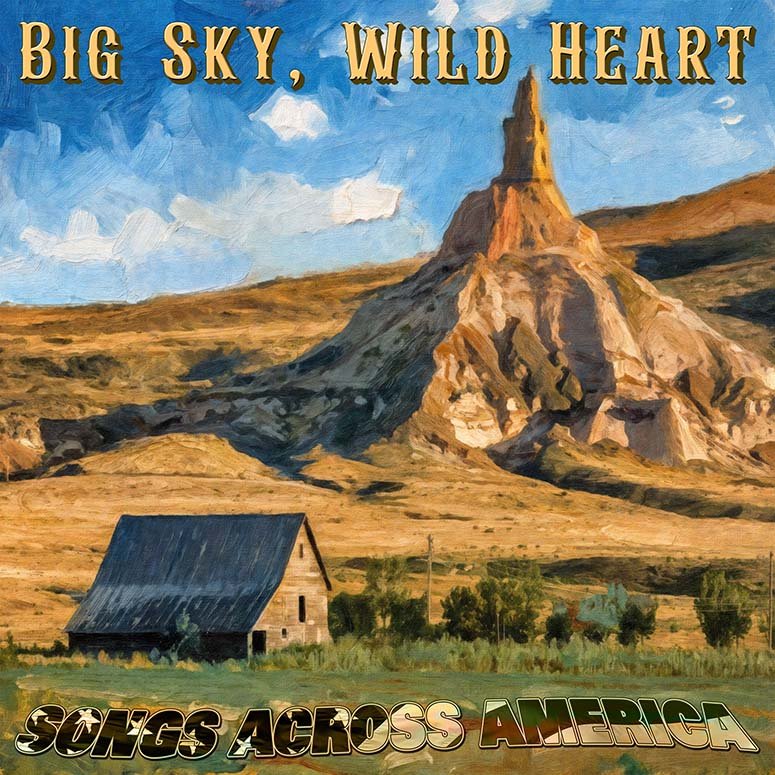
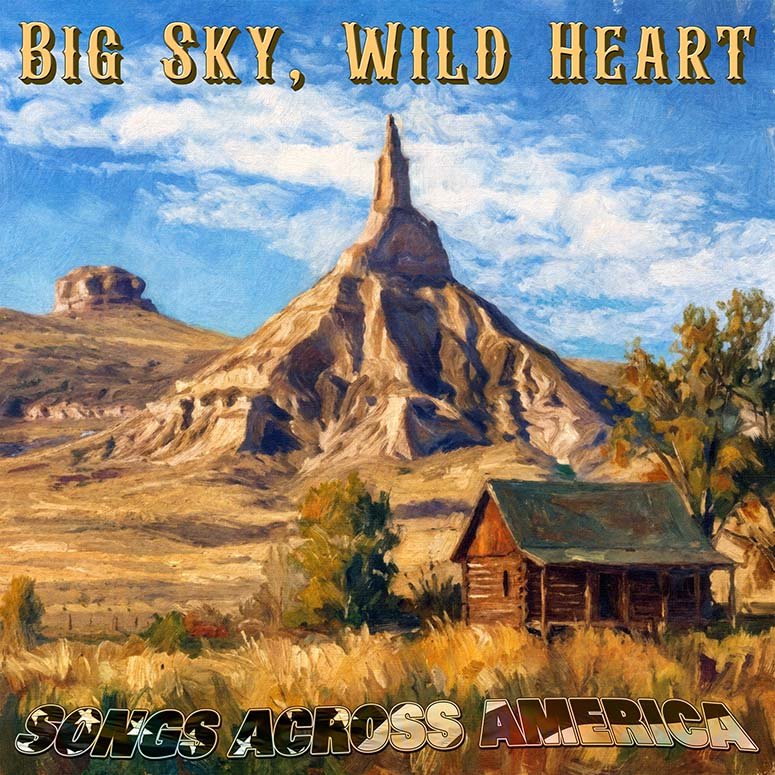
Original Song Lyrics: Written by M. S. McKenzie, All Rights Reserved"Big Sky, Wild Heart"[Intro: Instrumental] [Intro] [Verse 1] [Pre-Chorus] [Chorus] [Post-Chorus Tag] [Verse 2] [Pre-Chorus] [Chorus] [Bridge] [Final Chorus] [Post-Chorus Tag] Let it rumble, let it roll, let it carry me Oh, let it rumble, let it roll, let it carry me [Instrumental Outro] Song Description"Big Sky, Wild Heart" is a road-hymn about shaking off pressure, reclaiming calm, and letting the open land reset a mind that's been living too tightly wound. Set against the steady pulse of a two-lane drive, the song follows a narrator leaving the overstimulated churn of Omaha behind and heading west into Nebraska's wide horizons: where silence feels like medicine, distance feels like clarity, and the landscape becomes a quiet teacher. The song opens in motion and light: "Wide sky morning, dust-light glow / Two-lane humming, steady and low." From the first lines, "Big Sky, Wild Heart" frames the drive as more than travel: it's a deliberate exit from noise, a choice to stop feeding the chaos and point the wheels toward something spacious and true. The instrumental intro and the plainspoken imagery work together like a deep breath: simple, grounded, and steady. In Verse 1, the narrator names the fatigue without melodrama. Omaha has left them in a daze: deadlines, bright signs, the same recurring haze of modern life. But the west doesn't negotiate with that frantic pace. The land "don't rush or bend," it just keeps going, mile after mile. That contrast is the song's heartbeat: the city compresses; the plains expand. Even the roadside details: the fence posts ticking by "like a patient rhyme": turn into a kind of therapy rhythm, and the radio becomes a metronome that keeps the narrator moving forward, not spiraling inward. The Pre-Chorus puts language to the central weight: the narrator has been carrying the week "like a weight on my chest," running on noise, never stopping to rest. Then comes one of the song's most powerful ideas: the horizon doesn't demand explanations. It doesn't interrogate your stress or ask you to justify your exhaustion: it simply opens. Comparing it to a "slow-moving train" gives that openness a sense of inevitability and strength: not a sudden miracle, but a steady force that arrives and carries you. The Chorus is a clean release: built like a mantra for unclenching. "Put the pedal down, let the world fall off," isn't recklessness; it's permission. The wind becomes a cleansing presence, washing clean what the week took, and the repeated line "out past the tracks, out past the noise" feels like crossing a threshold from overstimulation into stillness. The chorus rejects overcomplication and embraces a simpler wisdom: "We don't need answers, we don't need a plan / Just a little sky and a steadier hand." By the time the narrator declares, "West Nebraska, I'm coming back home to you," "home" has expanded beyond geography: it's a return to a truer self, one that can breathe again. The Post-Chorus Tag: "Let it rumble, let it roll, let it carry me / Big sky, wild heart: set me free": functions like a rallying cry. It's physical and kinetic, turning the vehicle, the road, and the land into one moving engine of restoration. "Big sky" becomes both setting and symbol; "wild heart" becomes the part of the narrator that still wants to feel alive rather than merely functional. Verse 2 deepens the sense of place and strengthens the song's roots in western Nebraska's terrain and landmarks. The prairie shifts from soft to rolling, then to rougher earth tones: "clay-red seams and broken blades": as if the land is revealing its history layer by layer. Chimney Rock rises like a clean signature against the sky, and Scotts Bluff stands with the authority of something that has outlasted countless human worries. Even the river is given emotional gravity: it runs "dark and true," carrying the past forward: an image that quietly mirrors the narrator's own need to let life keep moving through them, rather than getting stuck. The repeated Pre-Chorus and Chorus don't feel redundant: they feel ritualistic. Each return reinforces that this drive is a practiced kind of healing, a familiar route back to equilibrium. It's not a one-time epiphany; it's a method. The Bridge is the song's most intimate confession. The narrator admits to being wound tight, hope worn thin, and asks the open land to settle what can't be controlled. There's a mature restraint here: no grand declarations, no dramatic closure: just the desire for a quieter heart. The line "No big speeches, no last-word wars" rejects the exhausting need to win, explain, or prove. The bridge reframes freedom as peace, not conquest. The Final Chorus lands with renewed conviction, like the narrator has fully reinhabited their own body. The meaning hasn't changed: but the singer has. And when the Post-Chorus repeats and stretches out, it feels like the narrator staying in that wide-open space long enough for the nervous system to finally believe it: the world can fall off for a while, and you'll still be okay. By the time the Instrumental Outro arrives, words aren't needed. The road hums, the sky holds, and the song ends the way real relief often ends: not with fireworks, but with steadier breathing, widened vision, and the quiet certainty that sometimes the most courageous thing you can do is drive toward open space and let it carry you.
|